
How to Get the Best Out of Your Portable Solar Panels
Published 12 January 2026
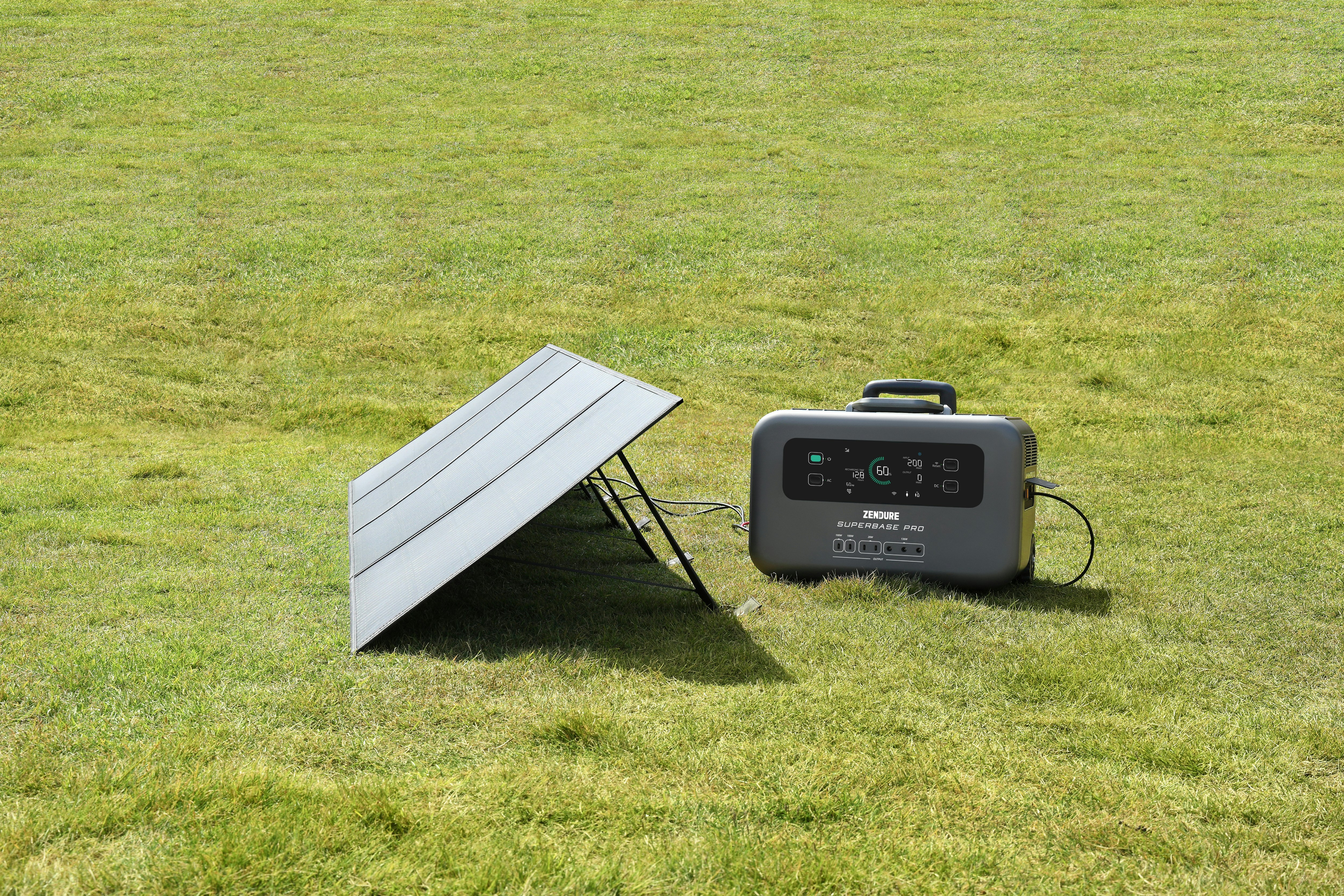
Understanding Portable Solar Panels
Portable solar panels are compact and lightweight solar energy systems designed for easy transport and setup. They harness sunlight and convert it into usable electrical energy, primarily for charging batteries or powering small devices. Thanks to advancements in technology, these panels have become feasible for various applications, offering a sustainable energy solution for individuals and groups alike.
The basic operation of portable solar panels involves photovoltaic cells, which are made from semiconductor materials such as silicon. When sunlight strikes these cells, it creates an electric field that generates direct current (DC) electricity. This electricity can be used immediately, stored in batteries for later use, or converted to alternating current (AC) for standard electrical devices through an inverter. Portability is one of the defining features; many models fold or roll up, making them easy to carry on camping trips, road trips, or during emergencies.
There are various types of portable solar panels available, including monocrystalline, polycrystalline, and thin-film panels. Monocrystalline panels are known for their high efficiency and sleek design, while polycrystalline panels are more cost-effective with slightly lower efficiency rates. Thin-film panels, though less common, are lightweight and flexible, making them suitable for surface mounting on irregular shapes.
Common features of portable solar panels include built-in USB ports for direct charging, waterproof designs for durability during outdoor use, and adjustable stands to optimise sun exposure. Additionally, many models come with integrated charge controllers to prevent overcharging connected devices. By understanding these functionalities and facets, users can maximise the benefits of portable solar panels, enhancing their efficiency and overall utility in various settings.
Choosing the Right Portable Solar Panel
When it comes to selecting the right portable solar panel, several critical factors should be taken into account to ensure that your energy needs are met efficiently. First and foremost, the wattage output is fundamental. Assess your power requirements based on the devices you intend to use. For example, if you plan to charge small electronics like smartphones and tablets, a panel with an output of 20-50 watts may suffice. However, for appliances that consume more power, such as laptops or portable refrigerators, you might require a higher-output panel, sometimes exceeding 100 watts.
Size and weight are also crucial considerations, particularly if portability is a priority. Lighter panels that can be easily carried or stored will be beneficial for camping trips or hiking excursions. Many manufacturers offer foldable options that provide a good balance between power and portability. Keep in mind that an ideal portable solar panel should be lightweight for easy transport while still being efficient in absorbing and converting sunlight.
Energy storage options are another vital aspect. Some portable solar panels come with built-in batteries, allowing you to store energy for later use. This feature is particularly advantageous for camping or emergency situations where immediate access to power may be limited. When evaluating energy storage, consider compatibility with your solar panel system; some devices may require specific connectors or adapters.
Lastly, think about your intended use cases. If you are primarily going to use the panel for RVing or extended trips, versatility and durability become significant factors. Conversely, for sporadic emergency use, compact panels with quick setup capabilities may be more advantageous. By thoroughly evaluating these elements, you can select a portable solar panel that aligns with your needs and enhances your power independence.
Optimal Setup and Positioning
To achieve the highest efficiency with portable solar panels, proper setup and positioning are critical. This entails more than merely placing the panels in an open space; certain factors must be considered to optimise sunlight exposure throughout the day.
First and foremost, the angle and orientation of the solar panels play a substantial role in their performance. Ideally, the panels should be tilted to a specific angle depending on the latitude and time of year to capture maximum sunlight. For many regions, the optimal angle can be calculated by taking the geographical latitude and adjusting it according to seasonal changes. Typically, a solar panel should be positioned at a steeper angle during winter months when the sun is lower in the sky and at a flatter angle in summer.
Additionally, it is crucial to position the solar panels to face true south (in the Northern Hemisphere) or true north (in the Southern Hemisphere) to ensure the panels receive the most direct sunlight possible. Checking solar paths or using apps that track solar movements can aid in determining the best directional orientation for your specific location.
Avoiding obstructions such as trees, buildings, or other structures is equally important. Even partial shading can lead to significant energy loss, as one shaded cell can reduce the output of the entire panel. When selecting a site for your portable solar panels, choose a location with a clear line of sight to the sun and minimal potential for shadowing.
If feasible, consider using a solar tracker, which adjusts the position of the panels throughout the day to follow the sun’s path. This can increase energy collection compared to static setups significantly. By adhering to these optimal setup and positioning practices, users can maximise the efficiency of their portable solar panels.
Maintenance and Care for Your Solar Panels
Maintaining portable solar panels is crucial for optimising their efficiency and ensuring a long-lasting performance. Regular care not only enhances their durability but also maximises the energy output during usage. One of the fundamental aspects of maintaining solar panels is performing routine cleaning. Over time, dust, dirt, and other debris can accumulate on the surface, significantly diminishing their efficiency. It is advisable to wash the panels using a soft cloth or sponge alongside mild soap mixed with water, ensuring that no abrasive materials are used that could scratch the surface.
In addition to routine cleaning, regular inspections are essential to identify any potential damage. Inspect the solar panels for signs of cracks, loose connections, or corrosion, which could compromise their performance. Early detection of such issues allows for timely repairs, preventing further degradation and ensuring that the solar panels operate at peak efficiency. Furthermore, if your solar panels are exposed to harsh environmental conditions, such as strong winds or heavy snowfall, examine them periodically for any physical impacts, as these can impact their functionality.
When the solar panels are not in use, proper storage plays a vital role in maintaining their condition. It is best to keep them in a cool, dry place, away from direct sunlight and extreme weather conditions. Using storage cases or bags designed specifically for solar panels can help protect against environmental factors that may cause damage.
It is also important to consider the geographical location and local climate when implementing maintenance routines, as different regions may require tailored care strategies. For example, areas with high dust levels may necessitate more frequent cleanings to ensure optimal performance. By adhering to these maintenance practices, users can significantly enhance the longevity and efficiency of their portable solar panels, achieving maximum output while minimising the need for repairs.
Maximising Energy Capture
To fully leverage the capabilities of portable solar panels, strategic planning and execution can significantly enhance energy capture. One fundamental aspect is to align solar panel usage with the position of the sun throughout the day. Solar panels generate the most electricity when they are directly exposed to sunlight. Therefore, adjusting the angle and orientation of your panels during peak sunlight hours can optimise their performance. This involves positioning the panels towards the south (in the Northern Hemisphere) and tilting them at the right angle based on your geographical location to maximise solar exposure.
Additionally, employing multiple solar panels can lead to a substantial increase in energy generation. Connecting several panels together allows for cumulative energy capture, especially useful for larger devices or when operating multiple appliances simultaneously. This setup not only enhances overall efficiency but also provides a more stable energy output, making it possible to harness greater electrical power during the limited peak hours of sunlight.
Another crucial strategy is to optimise battery storage for the energy collected during sunny periods. Implementing a high-quality solar charge controller can assist in maintaining the ideal charge levels in your batteries, safeguarding them against overcharging and enhancing their longevity. It is essential to ensure that your battery system is adequately sized to store energy for use during periods when sunlight is not available, such as during the night or cloudy days. This approach guarantees that energy can be used efficiently, regardless of weather conditions, ensuring a consistent supply of power when needed.
Troubleshooting Common Issues
Portable solar panels are an excellent way to harness renewable energy, but like any technology, they can encounter issues that require attention. By understanding common problems and their solutions, users can ensure optimal performance.
One frequent issue is low energy output. This can occur due to a variety of factors, including insufficient sunlight or panel obstructions, such as dirt, debris, or even leaves. To troubleshoot low output, first ensure that the panels are positioned at the correct angle to receive maximum sunlight. Regular cleaning of the surface is also essential; a quick wipe with a damp cloth can significantly improve efficiency. Moreover, check if the solar charge controller is functioning correctly, as inadequate regulation can hinder power flow.
Connection problems are another common challenge faced by users of portable solar panels. These issues can stem from loose wiring or corroded connections. To alleviate this, inspect all cables and connectors for wear and securely tighten all connections. If corrosion is evident, consider cleaning the terminals or replacing damaged components. It is crucial to ensure that your inverter is compatible with the solar panel to avoid any compatibility issues, which can lead to inefficient power generation.
Battery management is pivotal when using portable solar panels, particularly if connected to a rechargeable battery. Users should be aware of battery health and state of charge. Overcharging can damage batteries, while deep discharging can reduce their lifespan. It is advisable to invest in a quality charge controller that can prevent overcharging and ensure proper battery maintenance. By adhering to these practices, users can maximise their solar panel efficiency and enjoy uninterrupted energy supply.
Cost-Effective Usage Tips
Using portable solar panels effectively requires not only the right equipment but also smart strategies to maximise energy capture and minimise waste. First and foremost, understanding the energy needs of your household is essential. By prioritising appliances and devices that require less energy, you can significantly extend the use of renewable energy sourced from portable solar panels.
To further enhance your cost-effectiveness, consider reducing overall battery drainage. Many portable solar panel systems lose energy when appliances are left plugged in even when not in use. Using energy-efficient appliances and ensuring that devices are fully charged before relying on stored energy can drastically optimise energy consumption.
Also, strategic planning plays a pivotal role in ensuring that you get the greatest benefit from your solar panels. Time your usage according to sunlight availability. During peak sunlight hours, which generally occur from mid-morning to mid-afternoon, you should use solar energy for high-demand appliances. This practice not only ensures maximum efficiency but also helps in reducing reliance on battery-stored energy, thus conserving it for later use.
Moreover, pairing your portable solar panels with energy storage solutions can make a notable difference in managing your energy effectively. Storing excess energy generated during sunny days allows you to meet your needs during less favorable conditions without pace hindrance.
Additionally, engaging in proper maintenance of your solar panels is also crucial. Regular cleaning and timely checks can boost their efficiency, enabling you to harness the maximum solar energy available. In essence, by assessing your energy needs, reducing usage during low-sunlight times, and maintaining your equipment, you can use portable solar panels cost-effectively, leading to sustainable energy consumption.
Real-Life Applications and Testimonials
Portable solar panels have increasingly gained popularity due to their versatility and practical applications across various scenarios. Many users have shared their experiences, underscoring the reliability and efficiency of these solar solutions in diverse settings.
Moreover, portable solar panels prove invaluable during emergency situations. During natural disasters, such as hurricanes or snowstorms, residents often face power outages that can last days or even weeks.
Off-grid living enthusiasts also benefit significantly from portable solar technology. Testimonies from families living in secluded areas illustrate how portable solar panels offered them a sustainable solution. One family reported that switching to solar energy significantly reduced their reliance on conventional power sources. This transition not only demonstrated their commitment to sustainability but also resulted in notable savings on electricity bills, supporting their off-grid lifestyle.
In light of these examples, it is evident that portable solar panels foster environmental responsibility while providing practical solutions for various real-life scenarios. These user experiences inspire potential buyers to consider solar technology for their needs, reflecting the impact of these devices on everyday living.
Future of Portable Solar Technology
The field of portable solar technology is poised for significant advancements that will enhance efficiency, accessibility, and user-friendliness. Innovations in materials and design are set to revolutionise how individuals harness solar energy in portable formats. One of the most promising developments is the introduction of lightweight and flexible solar panels which use advanced photovoltaic materials, such as perovskite and organic photovoltaics. These materials not only offer increased efficiency conversion rates but also allow for integration into a variety of surfaces and applications, making solar power more versatile.
In addition to new materials, researchers are focusing on enhancing energy storage capabilities. As solar energy is inherently intermittent, advancements in battery technology will be crucial. Improvements in lithium-ion and emerging solid-state batteries promise longer lifespans, faster charging times, and greater energy density. These enhancements will enable users to store renewable energy generated during peak sun hours for use during the night or on cloudy days, making portable solar setups more practical for everyday users.
Moreover, as smart technology continues to penetrate various sectors, the integration of IoT (Internet of Things) capabilities in portable solar systems is becoming increasingly prominent. Users might soon manage their energy systems via smartphone applications, gaining insights into usage patterns and optimising their solar consumption in real-time. Furthermore, advancements in artificial intelligence might aid in predictive analytics to enhance efficiency by optimising energy output based on weather forecasts and consumption habits.
Overall, the future of portable solar technology looks promising. With continuous research and development, it is likely that solar panels will become lighter, more efficient, and seamlessly integrated into daily life, thereby allowing broader access to renewable energy sources for outdoor enthusiasts, emergency preparedness, and everyday use.